
Protect Your Brain Health: Prevent Memory Loss Naturally
The Ageless Brain: How to Protect Your Memory, Mood, and Long-Term Health
What if memory loss wasn’t inevitable?
As a physician focused on prevention and metabolic health in Portland, Oregon, I have this conversation with patients every day. Many people assume that cognitive decline is just part of aging—but that’s no longer what the science tells us.
Your brain is adaptable. Trainable. Changeable.
This concept—called neuroplasticity—means your brain is constantly responding to your daily habits.
The question is:Are your habits protecting your brain… or working against it?
What Is Neuroplasticity (and Why It Matters for Brain Health)?
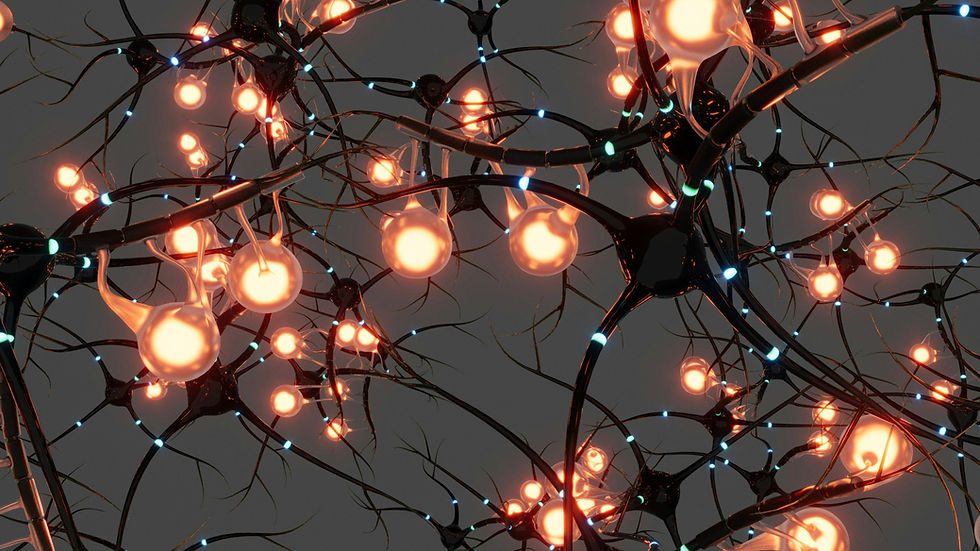
Neuroplasticity is your brain’s ability to grow, adapt, and reorganize itself over time.
That means your brain health is directly influenced by:
Movement
Nutrition
Sleep
Stress
Social connection
This is why prevention matters.
You don’t wait for symptoms—you build resilience early.
The 5 Pillars of Brain Health and Dementia Prevention
1. Sleep: The Foundation of Cognitive Health
Sleep is when your brain clears waste and resets.
Poor sleep is linked to:
Increased inflammation
Memory impairment
Higher Alzheimer’s risk
Action Step:Create a consistent sleep schedule and aim for 7–8 hours nightly.
2. Exercise: The Most Powerful Tool for Brain Longevity
Regular movement improves:
Blood flow to the brain
Mood and neurotransmitters
Cognitive reserve
Even a 25-minute daily walk can significantly reduce Alzheimer’s risk
Action Step:Start with daily walking + 2 days of strength training.
3. Nutrition: Preventing Cognitive Decline Through Metabolic Health
Your brain is highly sensitive to metabolic dysfunction.
Diets high in sugar and processed foods increase:
Insulin resistance
Inflammation
Dementia risk
In fact, type 2 diabetes increases dementia risk by 58%
Action Step:Focus on whole foods, high fiber, and limiting processed foods.
4. Stress and Mental Health
Chronic stress disrupts brain chemistry and mood.
But purposeful stress—what we call “good stress”—can actually strengthen resilience.
Action Step:Journal, reflect, and prioritize meaningful activities.
5. Social Connection and Cognitive Reserve
Cognitive reserve helps your brain resist decline.
You build it through:
Conversation
Learning
Movement
Relationships
Action Step:Combine movement + connection (walk and talk).
The Biggest Risk Factors for Memory Loss
Some factors clearly accelerate brain aging:
Smoking
Alcohol overuse
Poor sleep
Head injuries
High blood pressure
Lowering blood pressure alone can reduce cognitive decline risk by up to 60%
The Link Between Metabolic Health and Brain Function
This is one of the most important—and most overlooked—connections.
Your brain health is directly tied to your metabolic health.
We routinely see connections between:
Insulin resistance
Inflammation
Cardiovascular disease
Cognitive decline
That’s why early testing matters.
Labs to Check for Brain and Metabolic Health
If you want a proactive approach, these labs provide early insight:
Fasting insulin
Lipid panel + ApoB
hsCRP (inflammation)
Vitamin D
Homocysteine
Uric acid
These markers often change years before symptoms appear.
Supplements for Brain Health (What Actually Works)
Evidence supports:
Vitamin D optimization
B vitamins (if homocysteine is elevated)
Food-first approach:
Fatty fish or plant-based omega-3s
Limited evidence:
Magnesium L-threonate
Cocoa flavanols
Curcumin
How to Start Protecting Your Brain Today
Start simple:
Walk daily
Improve sleep consistency
Reduce processed foods
Strength train twice weekly
Connect with others regularly
Small changes compound into long-term protection.
Why Prevention-Focused Care Matters
Most healthcare systems wait until symptoms appear. At Saravit Direct Health, we do things differently.
We focus on:
Early detection
Metabolic optimization
Personalized prevention plans
Because protecting your brain starts long before symptoms.
Want to understand your brain and metabolic health?
Start with comprehensive metabolic screening and a personalized plan.
✔ Identify early risk
✔ Track 30+ biomarkers
✔ Work directly with a physician
Schedule a meet and greet with Dr. Dunbar here

Comments